Gobies: Small Fish With Big Personality
On this page
- The Diverse World of Goby Species
- Masters of Symbiotic Relationships
- Cleaning Station Operations and Client Services
- Territorial Behavior and Social Hierarchies
- Elaborate Courtship Rituals and Mating Displays
- Architectural Skills: Burrow Construction and Maintenance
- Communication Methods and Visual Signals
- Habitat Preferences and Distribution
- Conservation Challenges and Protection Efforts
- Conclusion
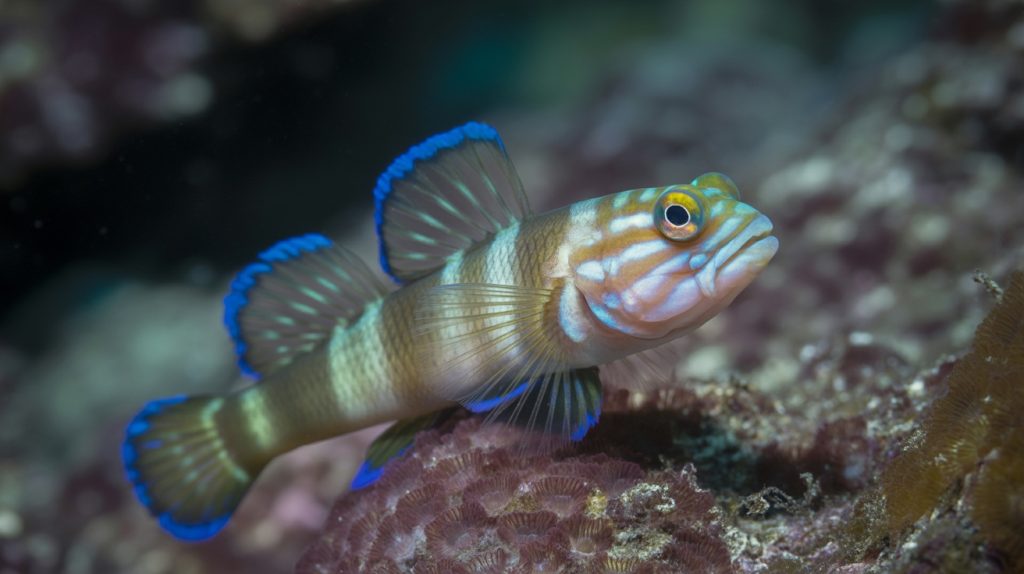
You'll find that gobies represent one of the most taxonomically diverse fish families, with over 2,000 described species exhibiting behavioral complexities that contradict their modest size. These perciform fish demonstrate sophisticated territorial negotiations, execute precise cleaning protocols with larger hosts, and construct elaborate burrow systems using specialized anatomical adaptations. Their neurological capacity for recognizing individual clients and maintaining intricate social hierarchies suggests cognitive abilities that marine biologists are only beginning to quantify and understand.
The Diverse World of Goby Species

While many aquarists overlook gobies due to their diminutive size, these fish represent one of the most taxonomically diverse families in marine environments, encompassing over 2,000 described species across approximately 200 genera.
You'll find gobies occupying virtually every aquatic niche, from shallow coral reefs to abyssal depths exceeding 4,000 meters. Their morphological adaptations reflect this ecological breadth—you'll observe elongated bodies in sand-dwelling species, compressed profiles in reef inhabitants, and specialized pelvic fins forming suction discs for attachment to substrates.
Notable genera include *Gobioides* with their eel-like proportions, diminutive *Trimmatom* species measuring under 10mm, and the vibrant *Gobiodon* that inhabit branching corals exclusively.
This taxonomic richness guarantees you'll encounter remarkable phenotypic diversity within any representative goby collection.
Masters of Symbiotic Relationships
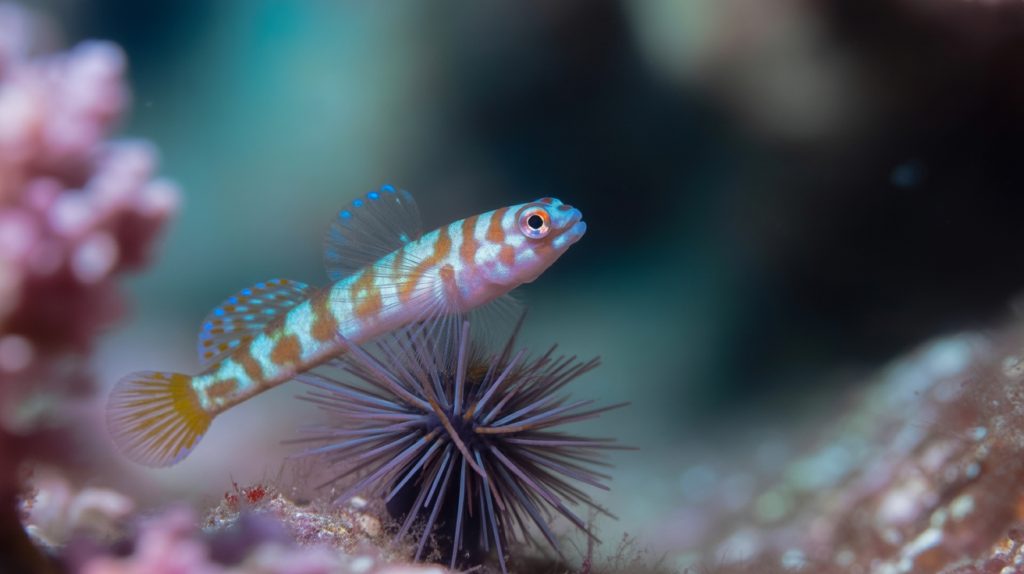
You'll find cleaning gobies like *Elacatinus* species establishing stations where larger fish queue for parasite removal. Their specialized oral morphology and feeding behavior create economic cleaning relationships.
Some gobies inhabit cnidarian hosts, developing immunity to nematocyst toxins through glycoprotein mucus adaptations. These symbioses aren't mere associations—they're coevolved partnerships where gobies' behavioral plasticity and physiological specializations enable complex ecological interactions that enhance survival rates across multiple trophic levels. Additionally, these relationships are vital for promoting marine conservation efforts as they help maintain the balance of marine ecosystems.
Cleaning Station Operations and Client Services
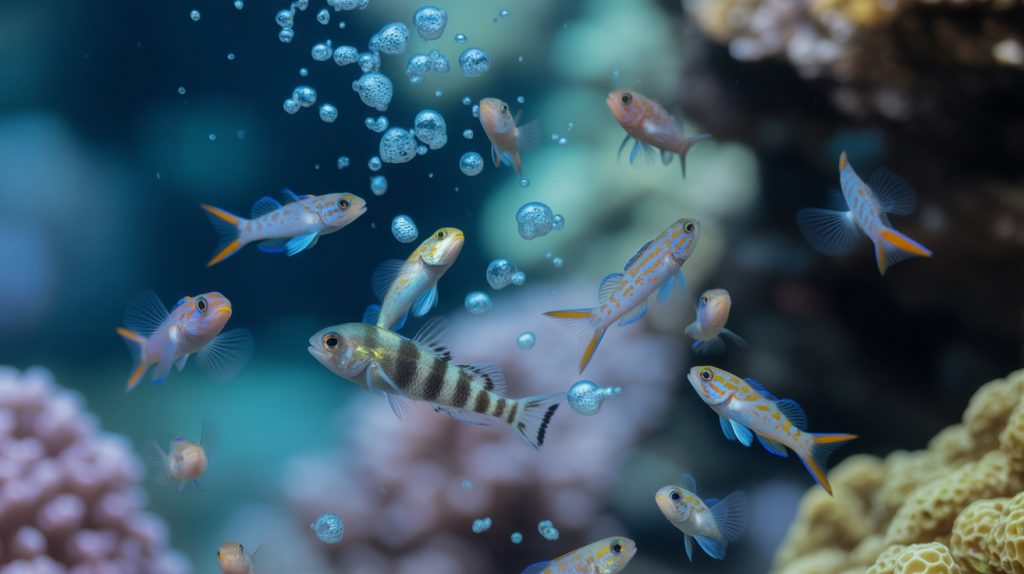
When cleaning stations become operational, gobies establish precise territorial boundaries and implement sophisticated client recognition systems.
You'll observe these diminutive entrepreneurs positioning themselves at strategic reef locations, advertising their services through distinctive color displays and rhythmic movements. They've developed intricate protocols for client assessment, differentiating between regular customers and potential threats through visual cues and behavioral patterns.
Their service repertoire includes parasite removal, dead tissue extraction, and mucus maintenance across diverse clientele ranging from small wrasses to massive groupers.
You'll notice they've mastered appointment scheduling, managing queue systems during peak hours while maintaining quality control standards. Client satisfaction rates remain exceptionally high, with many fish species returning repeatedly to preferred operators, demonstrating the gobies' professional competence and reliability. Additionally, their role as cleaner fish is crucial for maintaining the health of reef ecosystems by removing parasites and promoting mutualistic relationships among species.
Territorial Behavior and Social Hierarchies
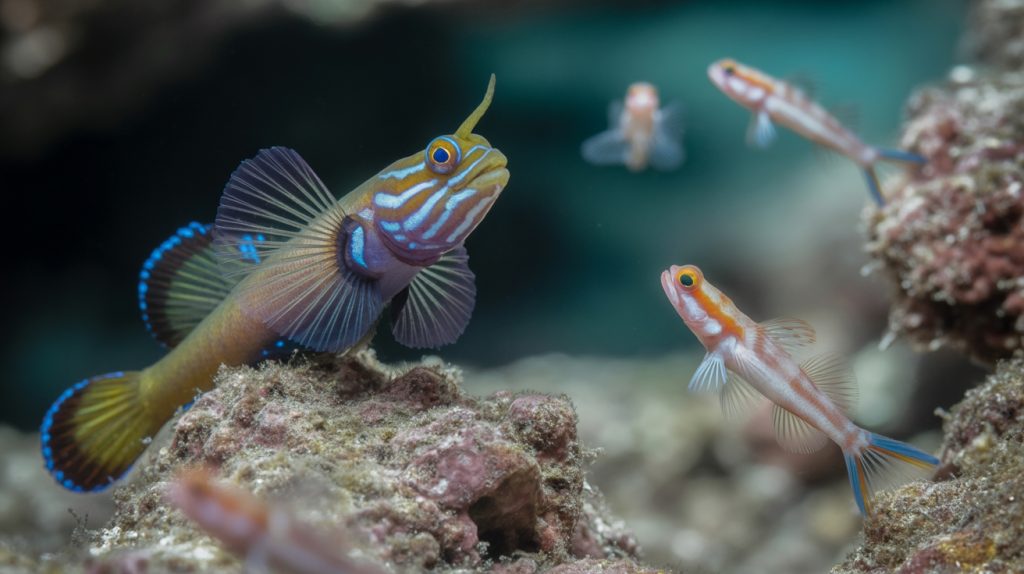
Beyond their cleaning station enterprises, gobies demonstrate complex territorial behaviors that establish rigid social hierarchies within reef communities.
You'll observe dominant males aggressively defending prime substrate territories through ritualized displays, chase sequences, and physical confrontations. These territorial boundaries directly correlate with reproductive success and resource acquisition.
You'll notice subordinate individuals relegated to marginal habitats, exhibiting reduced coloration and submissive posturing when encountering dominant conspecifics.
Size-based hierarchies emerge rapidly, with larger specimens maintaining elevated status through consistent territorial enforcement.
Social stratification affects feeding opportunities, mate selection, and shelter access.
You'll find that territory holders monopolize superior spawning sites while displaced individuals exhibit increased stress responses and reduced growth rates.
These hierarchical structures remain remarkably stable across seasons, reinforcing established dominance relationships. Furthermore, the presence of predators in the ecosystem can influence the dynamics of these social hierarchies, as dominant gobies may have to adapt their behaviors to avoid competition for resources.
Elaborate Courtship Rituals and Mating Displays
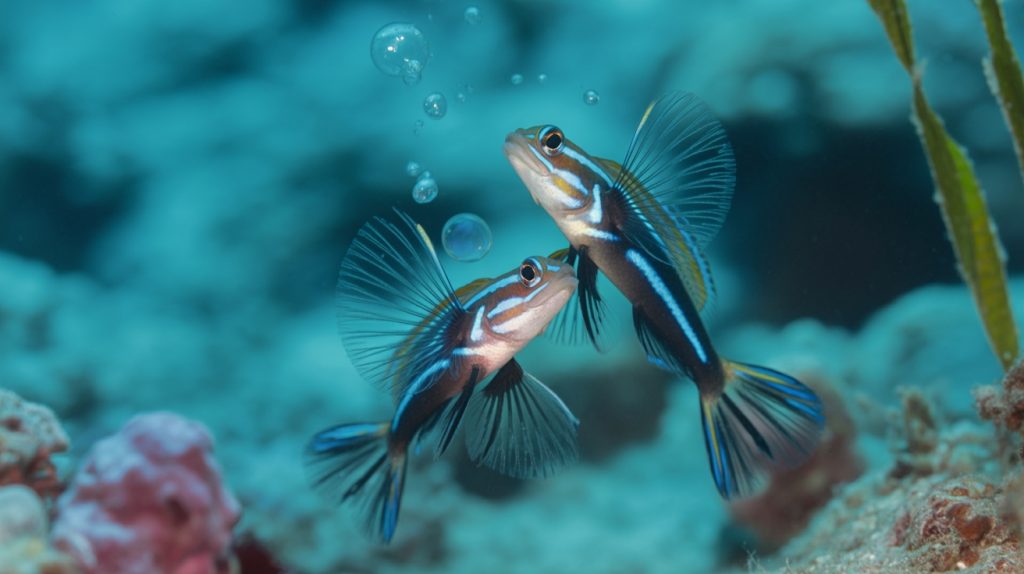
Dominant males channel their territorial success into spectacular courtship displays that showcase both physical prowess and behavioral sophistication.
You'll observe males constructing elaborate nests using substrate materials, creating precise architectural arrangements that demonstrate fitness quality. During courtship sequences, males exhibit rapid color morphing, shifting from cryptic patterns to brilliant neons within milliseconds through chromatophore manipulation.
You'll notice males performing ritualized swimming patterns—vertical head-stands, lateral undulations, and spiral ascents—while producing species-specific acoustic signals through sonic muscle contractions. These displays synchronize with pheromone release, creating multi-modal sensory experiences for females.
Successful males sustain these energy-intensive performances for extended periods, often exceeding thirty minutes.
You can measure courtship intensity through fin-beating frequency, color saturation levels, and territorial patrol rates, which correlate directly with reproductive success outcomes.
Architectural Skills: Burrow Construction and Maintenance
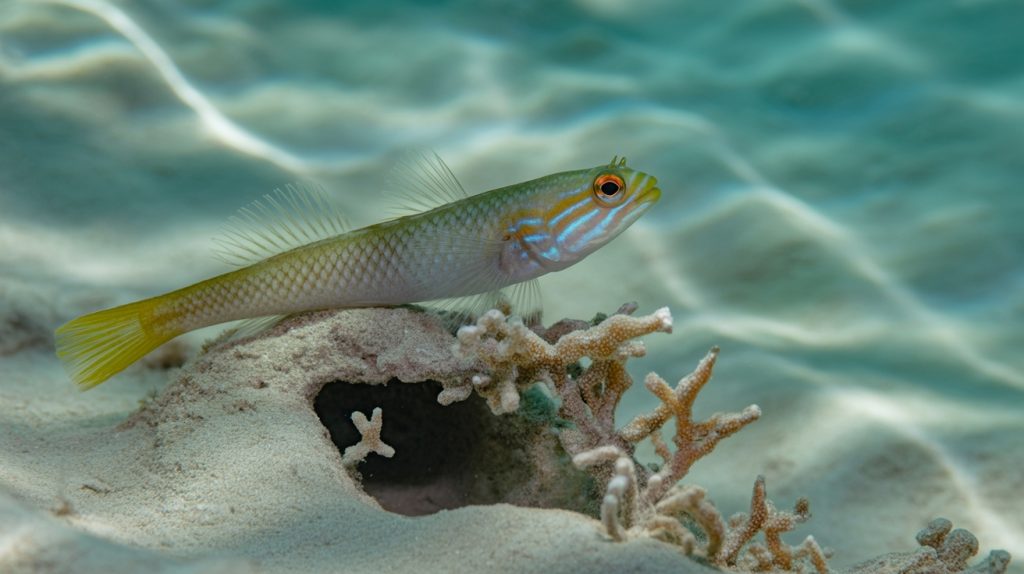
Excavating sediment with surgical precision, gobies demonstrate remarkable engineering capabilities through their sophisticated burrow construction techniques.
You'll observe these fish systematically removing substrate materials using their mouths, creating complex tunnel systems with multiple chambers and entrances. They'll position each grain deliberately, reinforcing structural integrity through strategic placement of larger particles.
You can witness their meticulous maintenance routines as they continuously monitor tunnel stability, clearing debris and preventing collapse.
Their architectural prowess extends to ventilation systems—they'll create specific pathways that facilitate water circulation throughout the burrow network.
You'll notice species-specific construction patterns: some excavate simple U-shaped tunnels while others engineer elaborate multi-level complexes.
This behavioral adaptation showcases their problem-solving abilities and spatial intelligence, proving these diminutive fish possess sophisticated cognitive capabilities beyond their modest size.
Communication Methods and Visual Signals
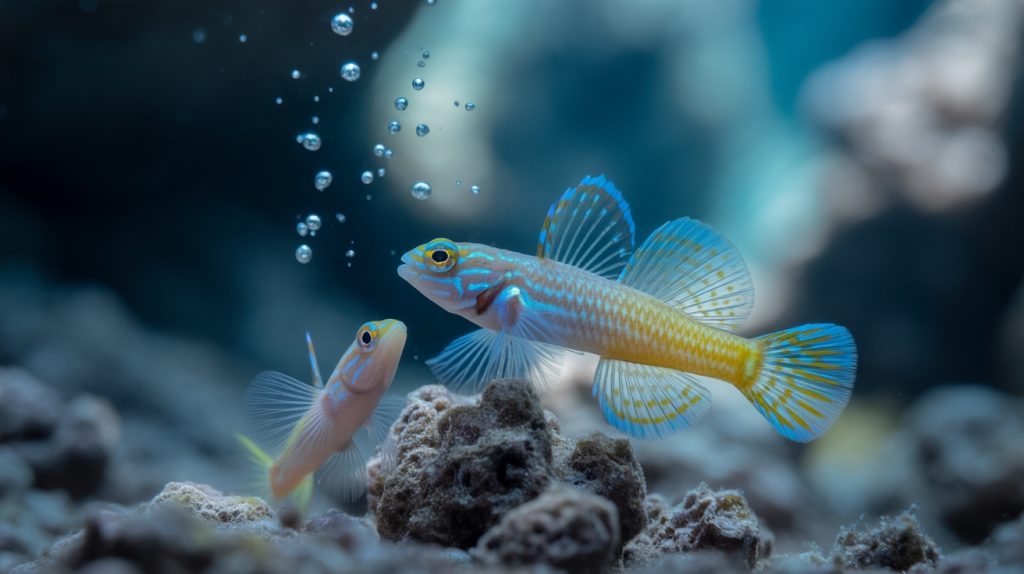
While gobies engineer their underwater homes with remarkable precision, they simultaneously engage in intricate communication systems that rival their architectural achievements in complexity.
You'll observe these diminutive fish employing sophisticated visual signaling mechanisms to establish territorial boundaries, coordinate reproductive behaviors, and maintain social hierarchies.
Their communication repertoire includes:
- Chromatic displays - rapid color changes signaling aggression or submission
- Fin positioning - dorsal and pectoral fin orientations conveying behavioral intentions
- Body posturing - lateral displays and head-down positions indicating dominance
- Bioluminescent patterns - species-specific light emissions for mate recognition
- Ocular movements - directional eye positioning coordinating territorial patrols
You'll notice their visual acuity enables precise interpretation of these signals across varying water conditions, ensuring effective intraspecific communication within their complex benthic communities.
Habitat Preferences and Distribution
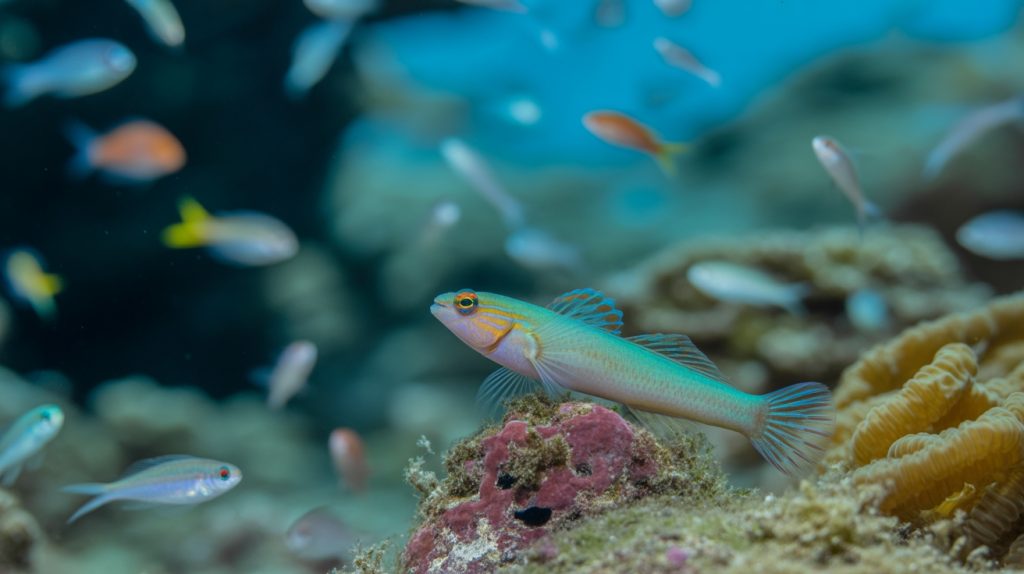
Spanning nearly every aquatic environment on Earth, gobies demonstrate extraordinary ecological plasticity through their occupation of diverse marine, brackish, and freshwater habitats.
You'll find these adaptable fish thriving in coral reef crevices, mangrove root systems, tidal pools, mudflats, and sandy substrates across tropical and temperate zones. Their benthic lifestyle drives specific microhabitat preferences—many species select burrows, rock formations, or symbiotic relationships with invertebrates like shrimp or corals.
Depth ranges vary dramatically; while shallow-water species dominate intertidal zones, others inhabit abyssal depths exceeding 1,000 meters. Geographic distribution spans all oceans, with highest diversity concentrated in Indo-Pacific regions.
You'll observe remarkable habitat specialization, with some species restricted to single reef systems while others display cosmopolitan distributions across entire ocean basins.
Conservation Challenges and Protection Efforts
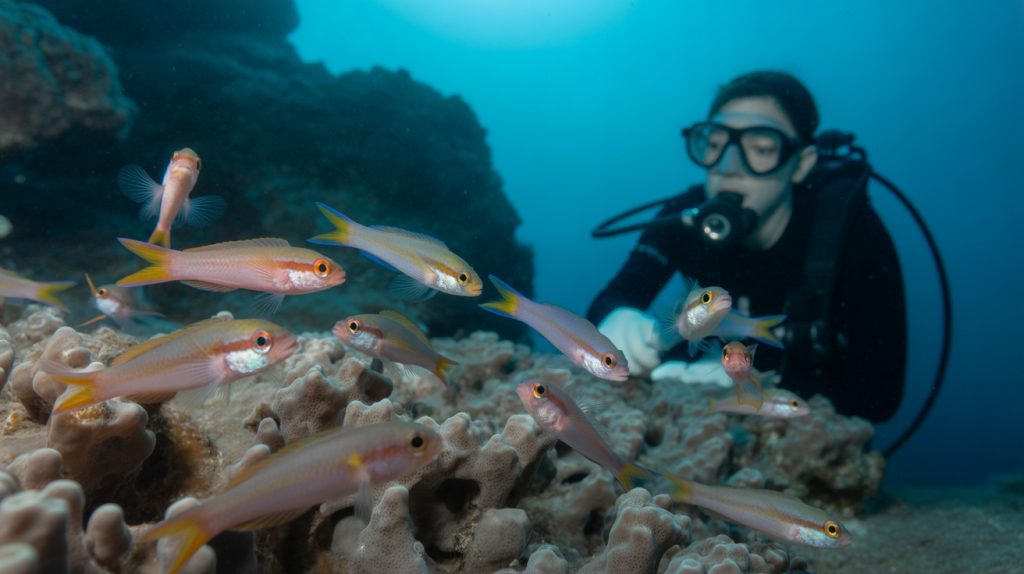
Despite their remarkable adaptability across diverse aquatic environments, gobies face mounting conservation pressures that threaten numerous species worldwide. You'll find that habitat degradation represents the primary threat to goby populations globally.
Critical conservation challenges include:
- Coastal development destroying intertidal spawning grounds and nursery habitats
- Pollution from agricultural runoff causing eutrophication and oxygen depletion
- Climate change altering temperature regimes and ocean acidification levels
- Invasive species competing for resources and predating on native goby populations
- Overfishing disrupting marine food webs that support goby communities
You can support conservation efforts through habitat restoration projects, marine protected area establishment, and water quality monitoring programs. Human activity significantly impacts marine ecosystems, making these conservation efforts even more crucial.
Scientists are implementing captive breeding programs for endangered species like the tidewater goby, while conducting population assessments to guide protection strategies for vulnerable endemic species.
Conclusion
You've now discovered how these diminutive fish command respect through their complex behaviors and ecological contributions. Consider this: despite comprising over 10% of all marine fish species, you'll find that 15% of goby species face extinction risk due to habitat degradation and climate change. You're witnessing the potential loss of intricate cleaning symbioses, architectural prowess, and communication systems that've evolved over millions of years. Their survival depends on your understanding and protection of their specialized habitats.