What the sea is doing, and why.
Plain answers about waves, weather, tides and the animals underneath, for people who spend time on the water or simply wonder about it.
New on Lazy Seas
 Navigation Safety
Is It Safe to Kayak in 2 to 3 Foot Waves?
Two to three foot waves are intermediate kayaking conditions. What they feel like from a kayak, which boats handle them, and a simple guide by experience level.
 Navigation Safety
Wave Period Explained: Why 3 Feet at 5 Seconds Feels Worse Than 3 Feet at 10
Wave period is the time between waves, and it changes the ride more than wave height does. How to read it in a marine forecast, and what numbers to look for.
 Navigation Safety
What Wave Height Is Considered Rough Water?
Officially, rough seas start at about 8 feet. For a small boat, rough starts far lower. Here is how the sea-state scale works and what it means for your boat.
Before you go out
Marine Forecast by ZIP Code
The National Weather Service forecast for the coastal waters nearest you, with any small craft advisories, gale warnings and other marine alerts.
Check the forecastSea State Calculator
Paste a marine forecast or enter wind, wave height and period. See the Beaufort force, how steep the waves are and how they will feel in your boat.
Work out the seaOcean Weather
 Ocean Currents
How Bad Are 3-5 Foot Seas?
The size of your boat will determine how bad different sizes of waves feel. 3-5 foot seas aren't fun in small watercraft. While you'll probably be safe in…
 Storm Types
The Different Types Of Storms In The Ocean
Do you ever find yourself fascinated by the power of the ocean? Have you ever stood on a beach and watched as the waves crashed against the shoreline?
 Ocean Currents
Which Seas Do Not Have Tides?
But not all seas experience tides. Some seas like the Mediterranean, Caspian, Baltic, Caribbean and the Black Sea are relatively calm. You can go sail and…
 Ocean Currents
Do Rough Seas Affect Submarines?
Generally, water vessels such as commercial ships tend to avoid sailing via storms, terming it as an unnecessary risk. Fortunately, submarines are not…
 Ocean Currents
The Different Types Of Ocean Currents
The ocean is an immense, mysterious body of water that covers more than 70% of our planet's surface. It is home to an ever-changing environment full of…
 Navigation Safety
Understanding The Impact Of Weather On Navigation Safety
Navigation safety is a major focus for anyone who travels, whether by land, sea, or air. As the world becomes increasingly connected, understanding the…
 Storm Types
Strategies To Stay Safe During A Storm At Sea
Ah, the sea. A beautiful and mysterious place that many of us find ourselves drawn to. There’s something calming about the ocean’s vastness, its majesty,…
Marine Life
 Coral Reefs
Coral Reef Zones Explained: Fringing, Barrier, Atoll
Fascinating coral reef zones reveal hidden underwater worlds—discover how fringing, barrier, and atoll formations create dramatically different marine…
 Ocean Wildlife
Top 10 Fastest Fish in the Ocean
Hydrodynamic marvels dominate ocean depths, but which species claims the underwater speed crown among nature's most elite aquatic athletes?
 Coral Reefs
Coral Restoration Projects: How Reefs Are Being Rebuilt
Witnessing scientists achieve 90% coral survival rates through breakthrough techniques, but the hidden challenges threatening these underwater cities…
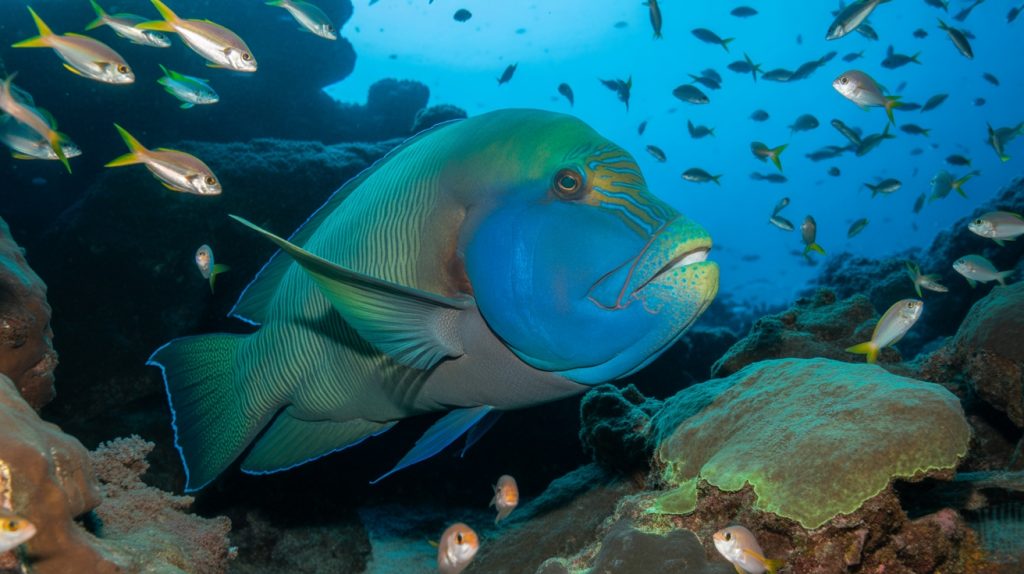 Ocean Wildlife
The Majestic Napoleon Wrasse
Weighing up to 190 kilograms, the Napoleon wrasse reshapes entire coral reef ecosystems through mysterious feeding behaviors that scientists are only…
 Coral Reefs
Coral Reef Food Web: Who Eats What in the Reef
Hidden beneath tropical waters lies a deadly game of survival where every coral reef creature fights for their next meal—but who really rules this…
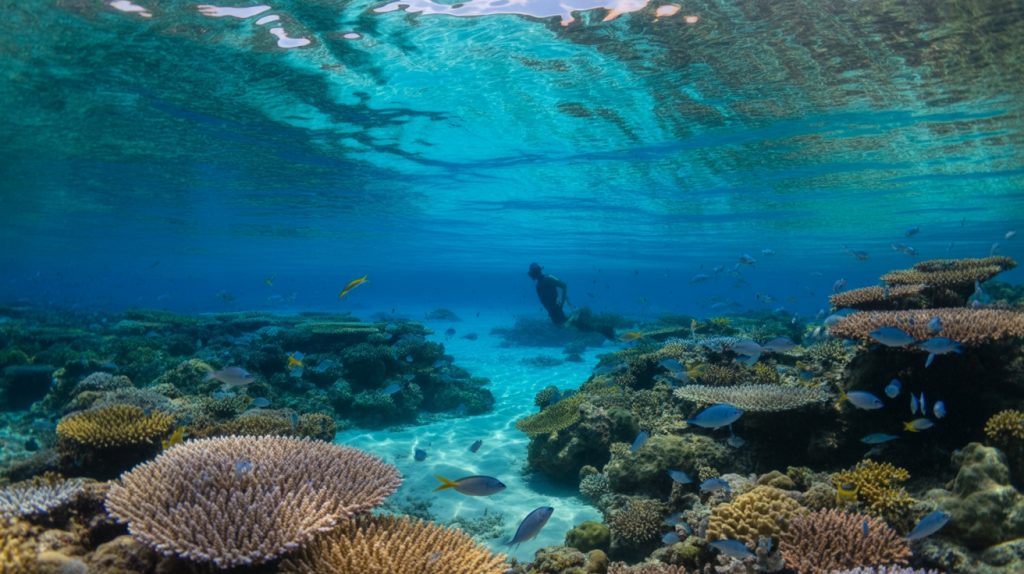 Coral Reefs
Top 10 Coral Reefs You Can Actually Snorkel
Breathtaking coral reefs worldwide offer incredible snorkeling adventures, but which accessible locations guarantee unforgettable encounters with thriving…
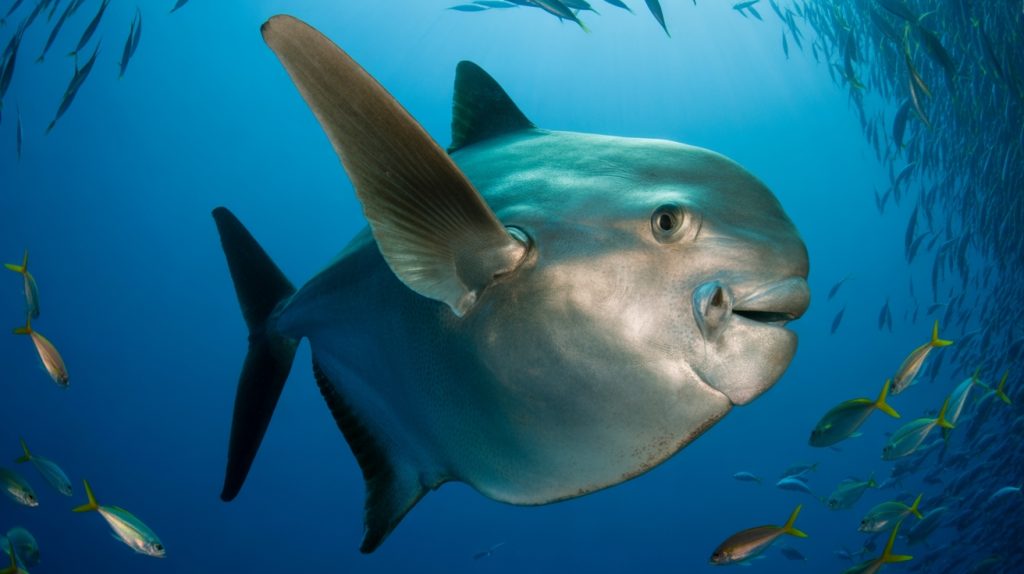 Ocean Wildlife
Ocean Sunfish (Mola Mola): The World’s Weirdest Fish?
Discover why this bizarre 2,300-kilogram ocean giant grows 60-million times larger than its tiny larval form, defying everything scientists thought possible.
Eco Travel
 Sustainable Cruising
The Impact Of Cruising On Marine Life And How To Minimize It
Cruising has become a popular way to explore the world and its wide variety of landscapes, but it also has a negative impact on marine life. As travelers,…
 Marine Conservation Tours
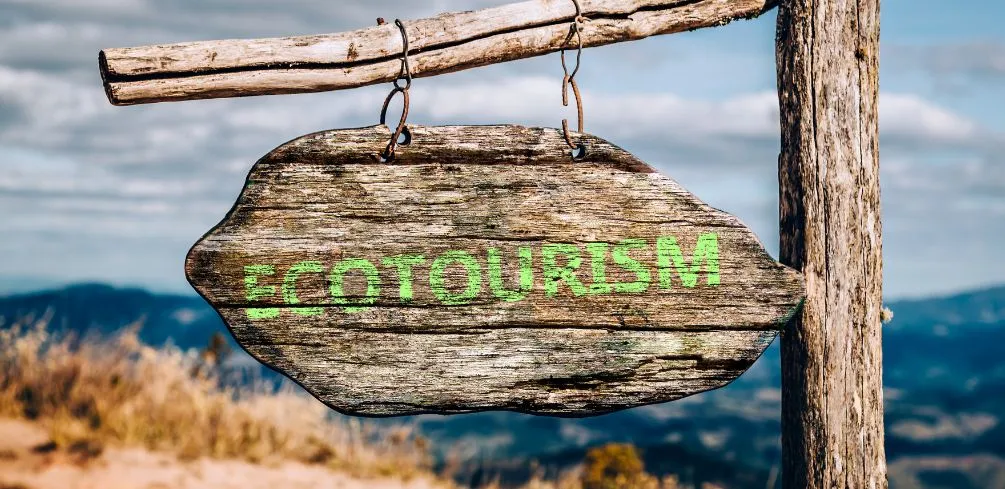
The Role Of Ecotourism In Marine Conservation
Ecotourism is an important tool in the fight to protect our planet’s marine ecosystems. It provides a way for people to visit and learn about these…
 Responsible Fishing
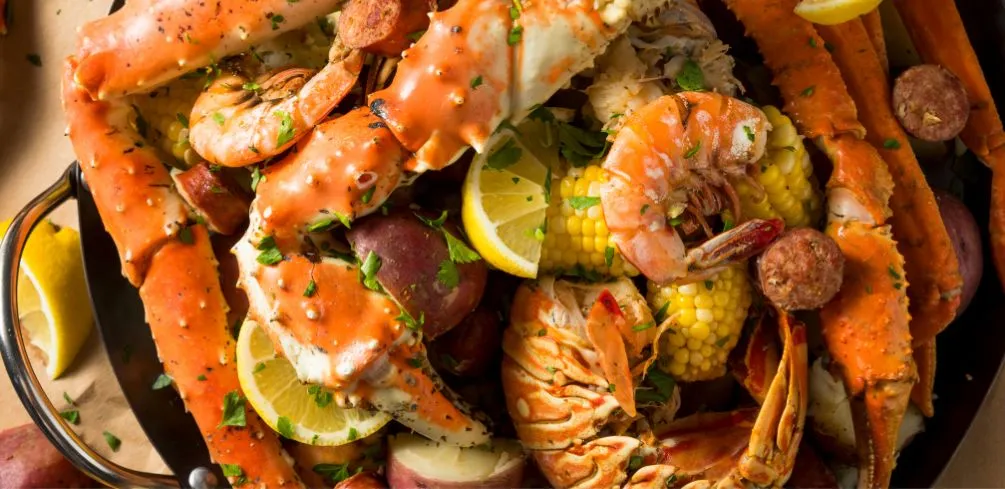
Sustainable Seafood: What It Is And Why It Matters
The world is in dire need of sustainable seafood. With a growing population, overfishing has become an increasingly devastating problem.
 Responsible Fishing
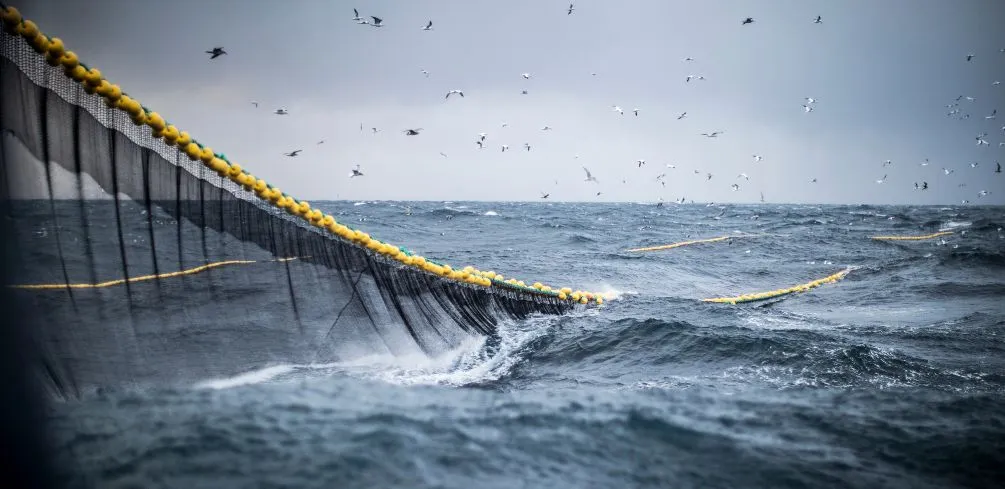
Innovative Fishing Methods That Reduce Bycatch And Harm To Marine Life
Fishing has been a staple for many cultures for centuries. It has provided us with sustenance, economic stability, and a connection to nature that is…
 Plastic-Free Ocean
Plastic-Free Travel Tips For Your Next Beach Vacation
It's summertime, and beach vacations are just around the corner! Are you looking for ways to enjoy a trip to the shore without creating too much of a…
 Sustainable Cruising
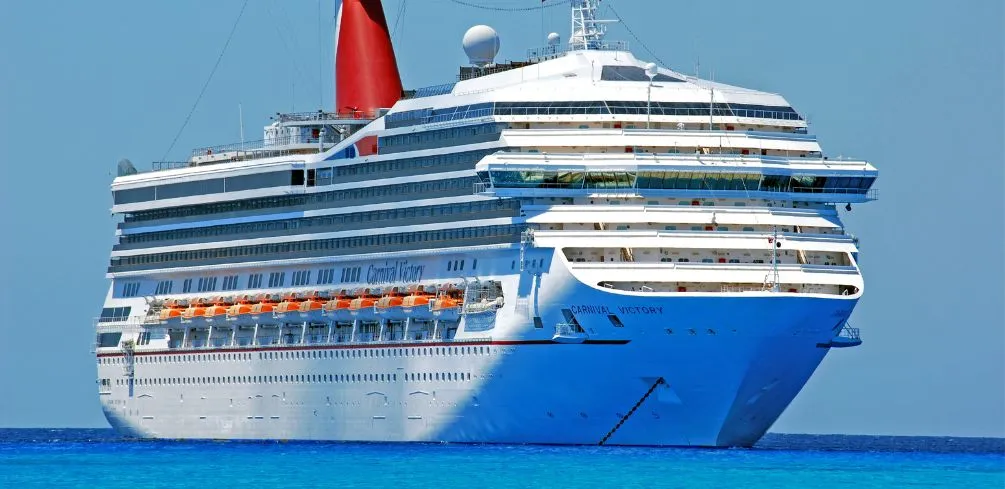
How Cruise Companies Are Reducing Their Carbon Footprint
Cruise companies have been under considerable pressure to reduce their carbon footprint in recent years as the world turns its attention to climate change…
 Marine Conservation Tours
Why Marine Conservation Tours Are Important For Ocean Health
The ocean is a vast and mysterious place that covers more than 70 percent of the Earth's surface. It's home to millions of species, including some of the…